
As the 31st January 2025 Self Assessment Tax Return deadline approaches, it is vital for taxpayers in the UK to ensure their filings and payments are completed on time. Failing to meet this critical date can result in financial penalties and additional stress. Here, we outline the consequences of both late Tax Returns and late tax payments, offering a clear understanding of why compliance is essential.
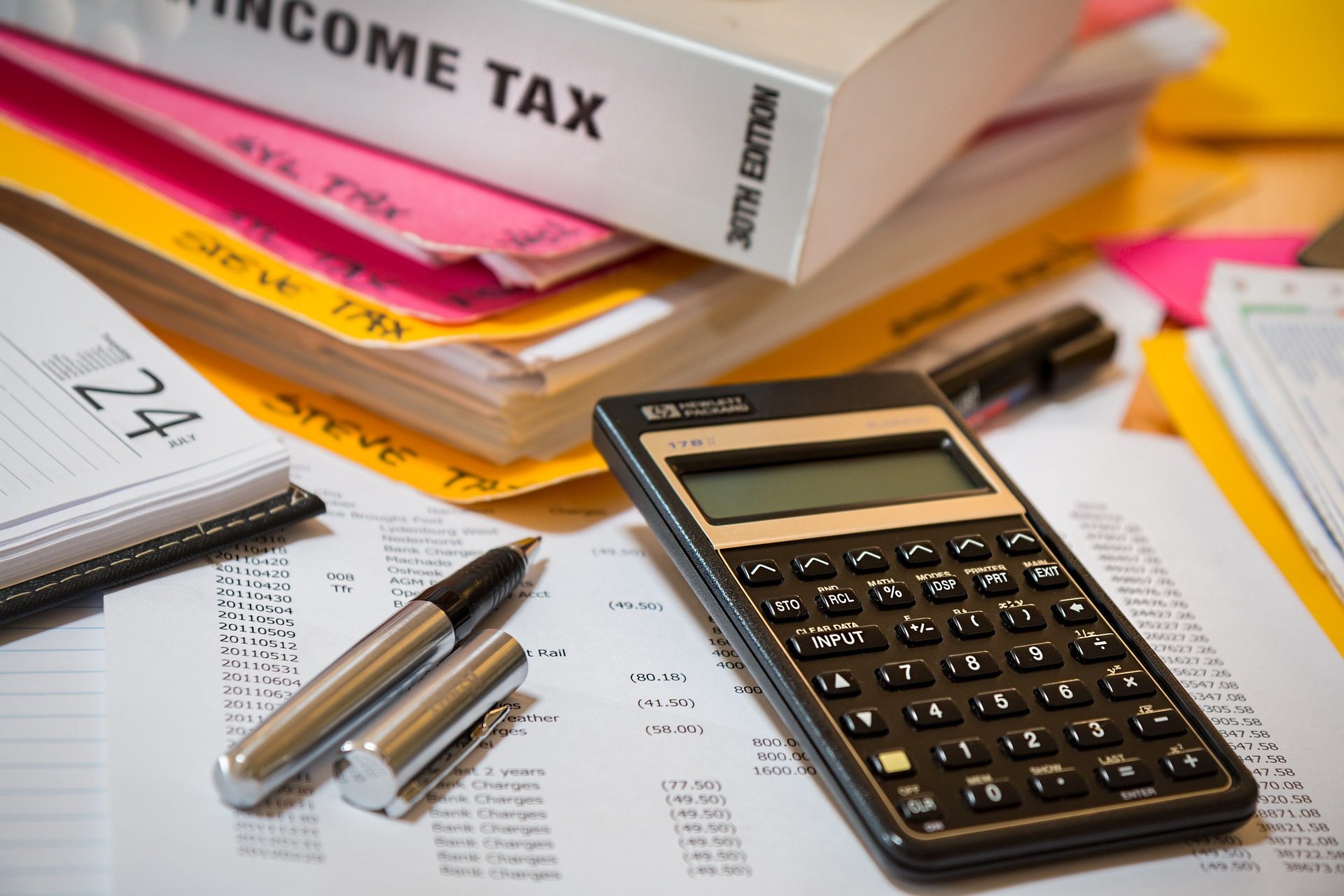
Image by Steve Buissinne from Pixabay
Consequences of Late Tax Returns
HMRC takes a strict approach to late submissions, and the penalties escalate the longer your return remains outstanding:
- Initial Fixed Penalty (£100):
If your Tax Return is late by even a day, you will be charged a fixed penalty of £100. This applies even if you have no tax to pay or if you’ve paid the tax you owe on time. - Penalties After Three Months:
Should your return remain unsubmitted for three months, daily penalties of £10 may apply, up to a maximum of £900. - Penalties After Six and Twelve Months:
After six months, an additional penalty equal to 5% of the tax due (or £300, whichever is greater) will be charged. The same applies after 12 months. In cases of deliberate concealment, these penalties can rise significantly—up to 100% of the unpaid tax. - Interest on Unpaid Penalties:
If you do not pay your penalties promptly, interest may also be charged on these amounts, adding further to your financial burden.
Consequences of Late Tax Payments
Even if your Tax Return is submitted on time, failure to pay the tax you owe by 31st January 2025 will lead to penalties and interest:
- Initial Interest Charges:
Interest is applied immediately from 1st February 2025 on any outstanding tax balance. The rate is set at HMRC’s official rate, which is often higher than standard savings rates. - 5% Penalty After 30 Days:
If the tax remains unpaid 30 days after the deadline, a 5% penalty on the amount owed will be imposed. - Further 5% Penalties:
Additional 5% penalties will be charged if the payment is still outstanding after six months and again after 12 months. - Debt Collection Measures:
Persistent non-payment may result in HMRC taking further action, such as employing debt collection agencies, applying to court for a county court judgment (CCJ), or even instructing bailiffs to recover the debt.
Avoiding These Consequences
- File Early:
Leaving your submission until the last moment increases the risk of delays due to technical issues or missing information. Filing well in advance ensures you have time to address any problems. - Check Your Records:
Ensure all income, expenses, and allowances are accurately recorded to avoid errors that could lead to delays or penalties. - Set Up a Payment Plan:
If you cannot pay the tax owed in full, you may be able to arrange a Time to Pay agreement with HMRC. This allows you to spread the cost over manageable monthly instalments. - Seek Professional Advice:
CMA Accountancy, can help you navigate the complexities of Tax Returns and ensure compliance with HMRC regulations.
Final Thoughts
The financial and administrative penalties for late Tax Returns and payments can be significant, not to mention the stress they cause. With the deadline looming, now is the time to act. Take steps to ensure your return is filed and your tax is paid by 31st January 2025 to avoid unnecessary complications. If you need assistance, consider seeking professional advice to make the process smoother and more efficient.