

Planning for the future is a vital aspect of managing one’s personal finances, and creating a Will is a key part of that process. However, beyond merely outlining the distribution of assets, it is crucial to consider the tax implications that may arise. Ensuring your Will is tax efficient can significantly benefit your beneficiaries by minimising the inheritance tax (IHT) burden. This guide will explore strategies to help you achieve a tax-efficient Will.
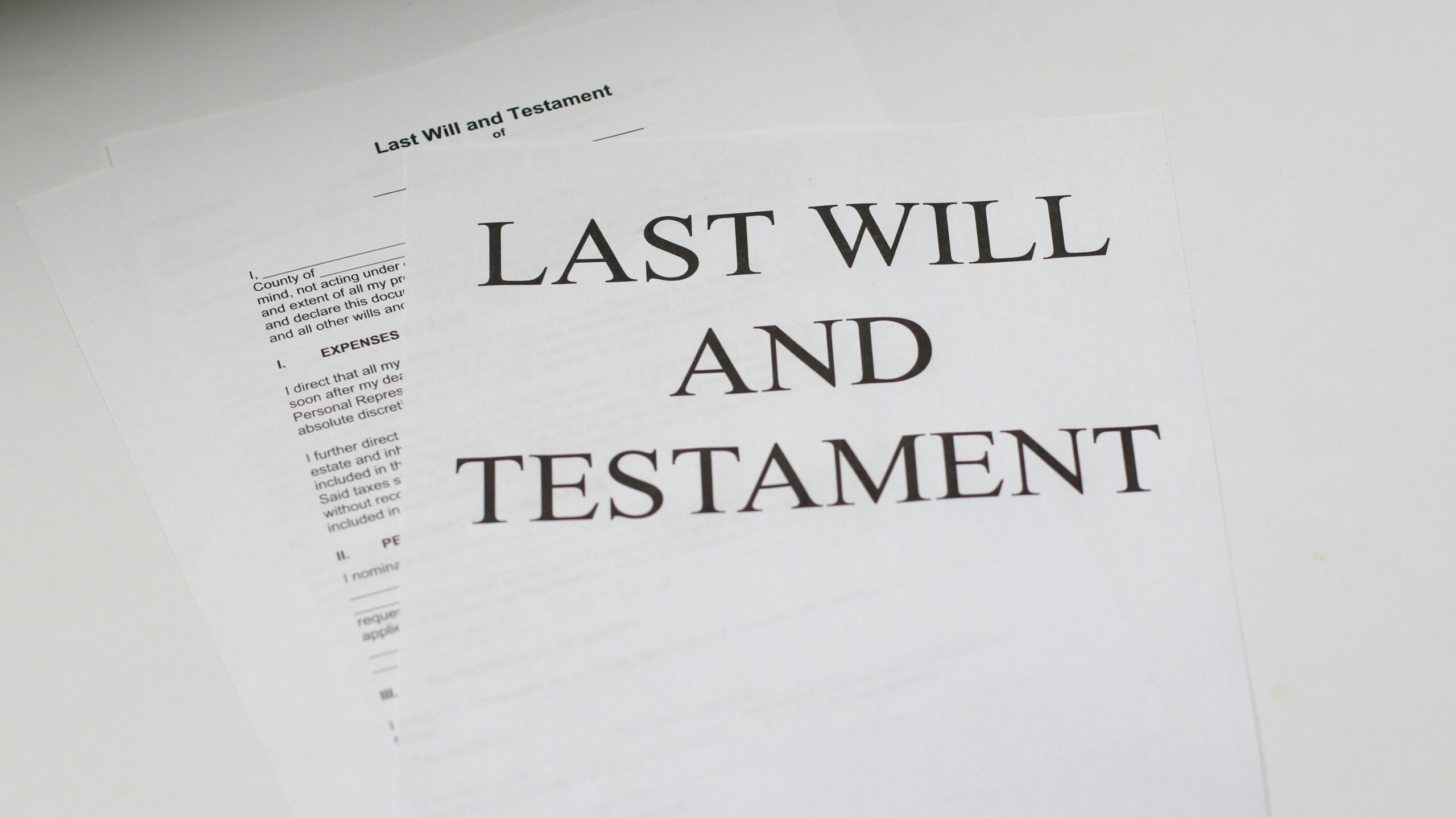
Photo by Melinda Gimpel on Unsplash
Inheritance Tax is a levy on the estate (property, money, and possessions) of someone who has died. In the UK, the standard IHT rate is 40%, charged on the part of your estate that exceeds the £325,000 threshold (known as the nil-rate band). However, several allowances, reliefs, and exemptions can help reduce this liability.
- Utilise the Nil-Rate Band
The nil-rate band is the amount up to which an estate has no IHT liability. As of the current regulations, this is set at £325,000. Any part of your estate above this threshold is subject to the 40% IHT rate. By making lifetime gifts within this allowance, you can reduce the taxable value of your estate.
- Transferable Nil-Rate Band
Married couples and civil partners can transfer any unused portion of their nil-rate band to their surviving partner. This effectively doubles the threshold to £650,000, which can significantly reduce the IHT liability.
- Residence Nil-Rate Band
An additional allowance, the residence nil-rate band, applies if you pass your primary residence to your direct descendants (children or grandchildren). As of the current tax year, this allowance is £175,000. When combined with the standard nil-rate band, a married couple can potentially have a combined threshold of £1 million.
- Charitable Donations
Donations to registered charities are exempt from IHT. Furthermore, if you leave 10% or more of your net estate to charity, the IHT rate on the remainder of your estate can be reduced from 40% to 36%. This not only benefits your chosen charity but also reduces the tax burden on your estate.
- Gifts and Exemptions
Certain gifts made during your lifetime can reduce the size of your estate for IHT purposes:
- Annual Exemption: You can give away £3,000 each tax year without it being added to the value of your estate.
- Small Gifts Exemption: Gifts of up to £250 to any number of individuals per tax year are exempt.
- Gifts on Marriage: Gifts to someone getting married are exempt up to certain limits (£5,000 to a child, £2,500 to a grandchild, and £1,000 to others).
- Regular Gifts from Income: If you can show that gifts made out of your income do not affect your standard of living, they can be exempt from IHT.
- Trusts
Trusts can be an effective way to manage your estate and minimise IHT. By placing assets in a trust, you can potentially remove them from your estate, provided certain conditions are met. Trusts can be complex, and it is advisable to seek professional advice to ensure they are set up correctly and are compliant with current tax laws.
- Business and Agricultural Relief
If you own a business or agricultural property, you may qualify for reliefs that can reduce the value of these assets for IHT purposes. Business Relief can offer up to 100% exemption on business assets if certain conditions are met. Similarly, Agricultural Relief can provide up to 100% exemption on agricultural property.
Creating a tax-efficient Will involves navigating complex tax laws and regulations. Consulting with a qualified solicitor or financial advisors, such as CMA Accountancy, who specialises in estate planning is highly recommended. They can provide tailored advice and ensure that your Will is structured in the most tax-efficient manner possible.